Parting is never easy, especially
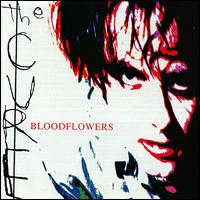
after a bond of more than two decades. Bloodflowers is sort of a
farewell album by The Cure, and every song seems to have been
written by a moribund band, distressed, and in a state of turmoil,
reflecting the fragile state of mind of a waning band.
The Cure had died long, long ago, with Wish and the supporting
live albums, Show and Paris, in 1993. Wish was their best, and one
of the most brilliant albums created ever. Sadly however, a good
chunk of the band left it, leaving Robert Smith all alone, and
expropriating him of the best music-collaborators, he could ever
work with. The magic of The Cure wasn't the same at all, with the
new recruits. With all the charm of the old 'Cure' missing, 'The
Cure', post- Wish, just couldn't survive, and had to call it
quits. Bloodflowers is Robert Smith's last attempt to resuscitate
and bring life into a dying band.
When it comes to melancholy, no one could write them as good as
The Cure.
Disintegration was a melancholic masterpiece, created when The
Cure was at its creative best. With Bloodflowers, it seems as if
Smith is crying out the tears that he had forgotten cry out in
Disintegration, and had kept them bottled up for a decade, to be
released, when he needs help, the most. Alas, this time however,
his words and music just don't seem to stir up the traditional
'Cure' aura, and falter badly, groping for a deus ex machina to
save his band, and the album from drowning.
Even with a band he is not comfortable with, Smith still manages
to keep a flicker, if not the flame of the original 'Cure' alive,
in Bloodflowers. The opening track, "Out Of The World", much like
Disintegration's "Plainsong", sad and somber, bids farewell, at
the beginning of the album itself - A sort of a cheeky ploy by
Smith to dampen the spirits of the listener, no sooner the record
begins.
As the album progresses, each song, with almost the same mood as
"Out Of The World", says goodbye, in its own lachrymose manner.
Here is where a hint of the beauty of the old 'Cure' gets alive
and kicking. "Where The Birds Always Sing", "Last Day Of Summer"
and "The Loudest Sound", each poignant, soulfully melodious and
touching, show Smith's helpless state of mind, and make the
listener weep for this creative genius and his band in its dotage.
"Watching Me Fall", "39" and "Bloodflowers" show that Smith is
incapacitated due to reasons best known to him, as these numbers
drift aimlessly into nothingness from being real gems, never to
regain composure, loosing ground, and making fruitless attempts to
prove worthy of something which the album could be proud of.
The Cure is a band, which always seemed to understand, stand by,
and provide a dependable shoulder to cry on for its fans in their
times of pain. With Bloodflowers however, the roles are reversed,
and it is Robert Smith and his band who seek sympathy from their
loyal fans, rather than they themselves providing some. This is
indeed an album by a great band on its deathbed.
Postscript: At the time of its making, and even after its release,
Bloodflowers was meant to be The Cure's last album. However,
surprisingly Smith is back with the band with a new 'Cure' record.
Nonetheless, this review was written, deliberately assuming the
fact that Bloodflowers marks the end of 'The Cure', in all
fairness to the concept of Bloodflowers, and to the intentions the
band itself.