
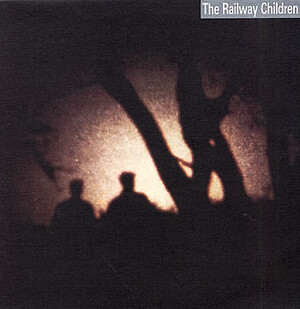
Album Review
The guitars on Reunion Wilderness have a lovely way of making restlessness sound inviting. They ring and turn around one another, keeping the music light on its feet while Gary Newby's voice gives it a more inward-looking character. The Railway Children's debut is easy to enjoy, although its best moments suggest feelings that are less easy to put into words.
Released in 1987 through Factory Records, the album belongs to a familiar world of bright British guitar pop. There are shades of the Smiths in its restless strumming, but Newby's delivery gives these songs a gentler center. He rarely presses too hard. That restraint can be appealing: a melody is allowed to carry the feeling without every line needing to announce its importance.
"Another Town" makes a strong introduction, with a briskness that suits the title's suggestion of movement. "The First Notebook" offers another example of how naturally the band can bring its guitars and voice together. There is a pleasing economy to the playing, and the rhythm section keeps the songs moving without crowding the melodies. At their best, these arrangements feel clear rather than slight.
"Brighter" and "A Gentle Sound" are particularly good reasons to spend time with the record. The latter has a welcoming tunefulness that lingers after it ends, while "Brighter" gives the album some of its most appealing lift. Underneath the clean guitar lines, there is enough uncertainty in the singing to keep the music from becoming merely cheerful. That small tension between brightness and reserve is where the band is most interesting.
The limitations become clearer across a full listen. Several songs settle into similar patterns, and the album sometimes needs a stronger change in mood or a more distinctive hook. Its consistency is comforting, but it can also make individual passages slip into the background. The spare arrangements reveal the band's charm while leaving a few songs feeling less fully developed than they might have been.
Reunion Wilderness is a good debut with a handful of lovely songs, rather than an overlooked masterpiece waiting to be declared. It captures a band whose melodic instincts are already in place, even if its personality is still taking shape. Listeners drawn to the fuller sound of Native Place may enjoy hearing these earlier, simpler outlines. There is warmth here, and enough promise to make the return worthwhile.
