Album Reviews
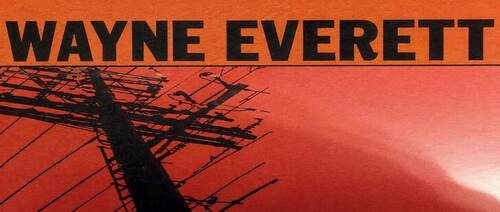
A while back I reported in a review that The Lassie Foundation, one of the best pop bands you've never heard, had finally decided to call it quits after releasing their best record, The El Dorado LP. Given the distinguished careers of the band's musicians, it is unsurprising that all of them went on to other projects: drummer Frank Lenz dropped an album of blue-eyed soul with The Hot Stuff, guitarist Eric Campuzano pursued a Flying Saucer Attack direction with his drone project Charity Empressa, and bass player Jason 71 continued The Foundation's Beach Boys fetish through the excellent feedback-drenched pop of Eskimohunter. What did lead vocalist, and drummer by trade, Wayne Everett do? He went on to record a solo album under his own name. Also unsurprisingly, it is great.
Where The Lassie Foundation's albums seemed to scream of summer and beaches through a combination of lyrical subjects and hyper-kinetic poppiness that brought to mind images of choppy waves and surfing, KingsQueens takes on the slightly more laid-back feel of the Foundation's last effort, channeling the same subject matter through a more relaxed lens. The sweet, screeching feedback is gone, allowing room for every melody, harmony, and instrument to breathe.
The opener, "A Million Leaves," is as perfect a pop song as you're likely to hear this year, and it is one of the sweetest-natured love songs I've ever heard. Built on double-tracked acoustic guitars and a simple drumbeat, the song gives Wayne Everett a chance to show off his voice, a sweet, relaxed tenor that, in addition to the beautiful lyrics, conveys a sense of peaceful wistfulness that carries through the entire song. By the time the bridge, filled with gentle horns and clarinets, arrives, you're completely sold on the song, if you weren't already.
"I Can See Jail" continues the relaxed atmosphere using a simple drum-machine beat and some palm-muted electric guitars that subtly keep the rhythm of the song until a shimmering organ and faux strings are added. "Comin' 'Round Again" removes most of the guitar in favor of upbeat piano chords and flute before some funky, relaxed horns arrive during the chorus.
Unlike some bands that use their horns for extra flash, Beulah for instance, Everett is content to let the horns become a natural part of the song. "Mor Far" is perhaps the most rocking track on the album, allowing the electric guitars to strut a bit by adding some fuzz and using what sounds like a gospel choir, although none is listed in the liner notes, as background vocals.
It would be tempting to describe every track on this album because they are all so good that it is nearly a crime the record has not received wider distribution. Amazing work. Do yourself a favor and pick this up as soon as possible.
By the way, in the time since The Lassie Foundation review was written, the boys have decided to reform and are planning to release both an album and an EP in the near future.
~ Rick
